

Film Production & Photography Power Solutions
Portable power for cameras, lighting, monitoring and charging-sized for real on-location loads and shooting runtime.
Power Cameras, Lighting and Production Electronics on Location
A film production power station should be sized from the equipment that may run together, not from camera load alone.
Camera & Charging
Camera and drone battery chargers, charging hubs, wireless accessories and camera-support electronics.
Production Lighting
LED panels, COB lights, soft lights and other compatible production fixtures.
Monitoring & Video Assist
Field monitors, director monitors, video receivers and selected transmission equipment.
DIT & Data
Laptops, displays, storage devices, card readers, hubs and network equipment.

Plan for Moving Between Sets and Locations
Portable Production
Compact systems are easier to carry between camera positions, interview spaces and temporary production areas. Y1 Lite weighs approximately 12 kg and can suit mobile location work where portability matters.
Vehicle-Supported Production
Larger power classes can be used where the production has vehicle support, higher lighting demand, longer runtime or more connected equipment.
Calculate Production Load and Lighting Demand Together
Start with continuous equipment load, then add lighting wattage, simultaneous use and any short-duration peak demand.
- Add cameras, monitors, chargers, DIT equipment and communication devices that may run at the same time.
- Check the rated input power and quantity of production lights.
- Separate continuous loads from equipment used only during part of the shoot.
- Review higher startup or peak demand where connected equipment requires it.
Four values to confirm before model selection
Match runtime planning to the production day

Plan Battery Capacity Around the Shooting Schedule
Output determines whether the equipment can run. Battery capacity determines how long the production can operate before recharge is required.
- Use the actual simultaneous load when estimating runtime.
- Plan recharge between setups, location moves or shooting days where AC power is available.
- Add compatible expansion batteries when longer operating time is required.
- Use solar as supplemental remote recharge rather than the sole energy source for the entire shoot.
Production Power Options
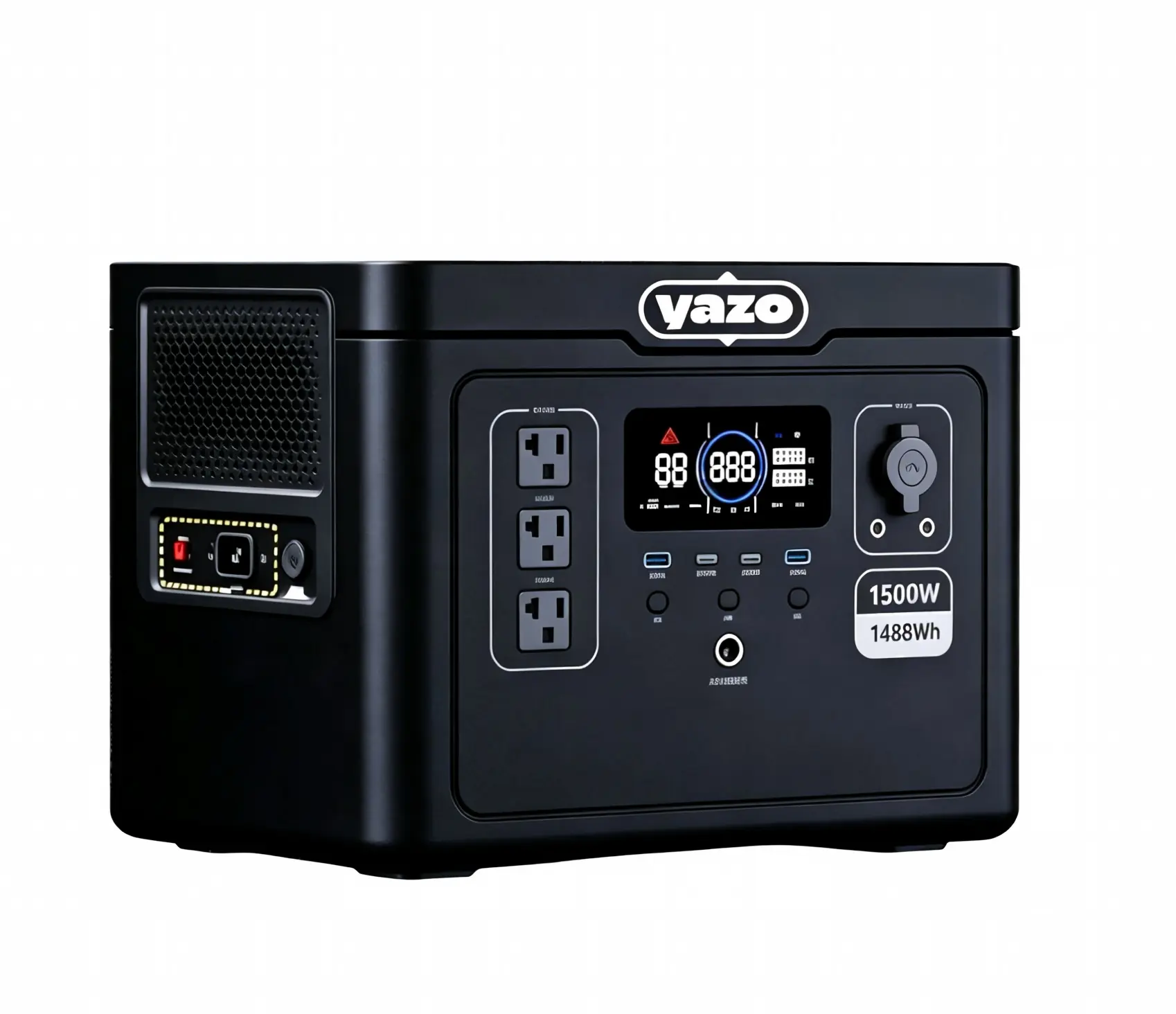
Y015
For camera charging, field monitors, laptops, compact LED lighting and mobile photography setups with moderate power demand.
View Y015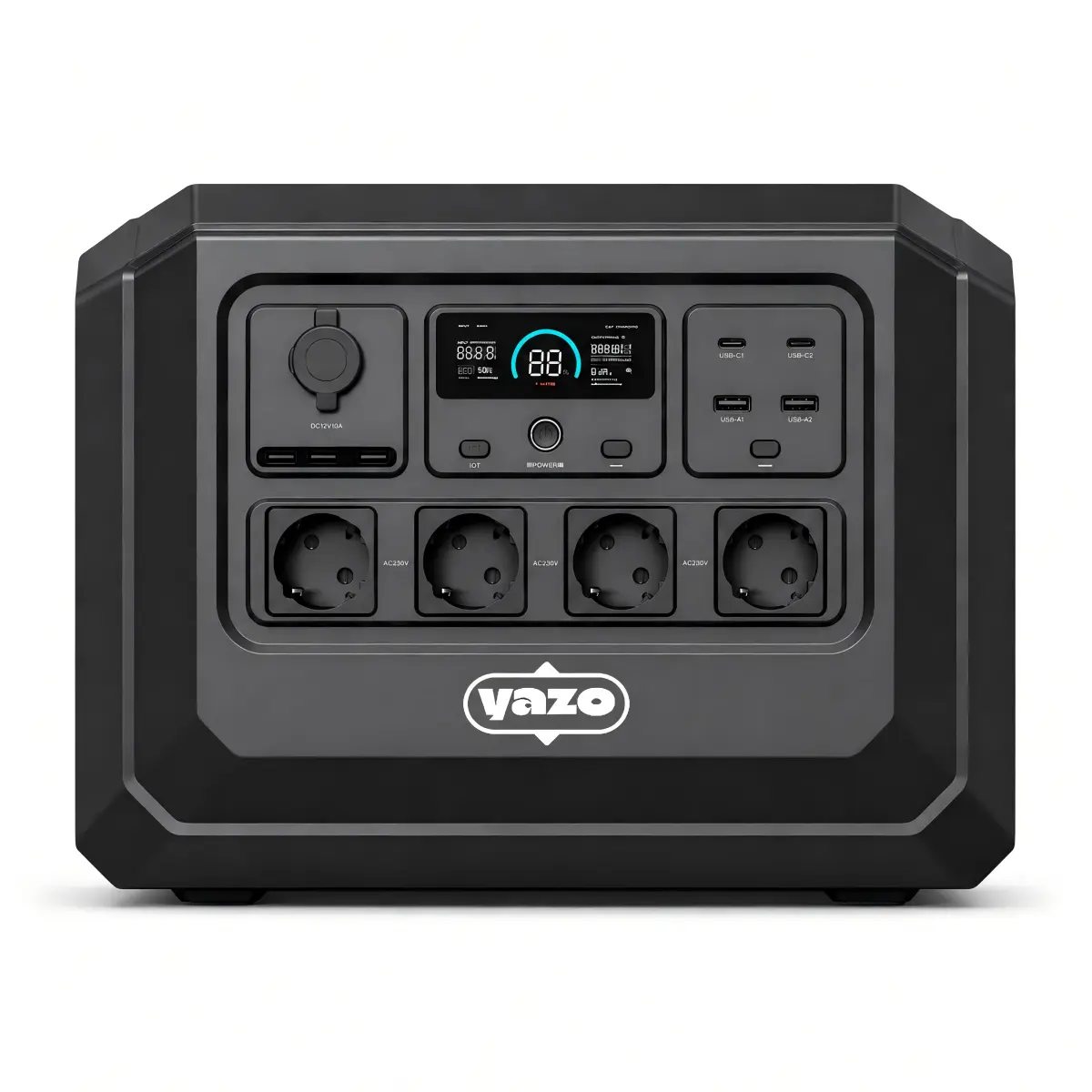
Y1 Lite
For camera charging, monitors, laptops, compact lighting and production electronics where portability and stronger AC output both matter.
View Y1 Lite
PPY-C2048H
For multiple chargers, field monitors, LED lighting, DIT laptops and storage, and longer location-production periods.
View PPY-C2048H
R3
For larger LED lighting packages, multiple production electronics and demanding outdoor location work.
View R3Extend Runtime for Long Shooting Days
Long production schedules are easier to plan when the power system is treated as a complete runtime package rather than a single battery.
- Use the main power station for the core production load.
- Add a compatible expansion battery when the selected model supports it.
- Recharge during setup changes, location moves or overnight.
- Use portable solar as supplemental recharge for remote locations.
Long-Day Power Package
Use Solar as Supplemental Recharge for Remote Shoots
Portable solar can support selected remote film and photography projects where grid access is limited.

Foldable solar panel option for daylight top-up charging on remote shoots.
Portable Solar for Location Work
Use portable solar as supplemental daytime recharge when grid access is limited, while matching the panel and connector path to the selected power station.
Portable Solar Panel Specifications
Compare the available panel options before matching them to the selected power station.| Panel | Rated Output | Open-Circuit Voltage | Working Voltage | Max Working Current | Protection |
|---|---|---|---|---|---|
| 240W Foldable Monocrystalline Panel | 240W | 24.6V | 20.5V | 11.7A | IP65 |
| 100W Foldable Monocrystalline Panel | 100W | 24.6V | 20.5V | 4.88A | IP65 |
Sound-Sensitive Production
Power for Noise-Sensitive Shoots
Battery-based portable power can reduce the need for combustion-engine equipment close to interviews, dialogue scenes and other sound-sensitive production areas.
- Interviews and dialogue scenes
- Documentary production
- Commercial photography and video
Cooling fans and connected equipment should still be considered when planning sound-sensitive production.
Prepare for Outdoor and Field Production
- Outdoor filming and temporary exterior setups
- Maintain ventilation around the power station
- Protect connectors and cables from water and dirt
- Avoid immersion and prolonged heavy-rain exposure
Power DIT, Monitoring and Data Workflows
- Laptop or workstation
- External displays and field monitors
- Storage devices and card readers
- Charging equipment and peripherals
- Network and communication devices
Confirm Regional Voltage and Socket Requirements
Destination Market
Confirm destination country, voltage, frequency and socket type before finalizing the configuration.
Production Equipment
Check lighting, charging and workstation equipment against the selected electrical version.
Regional Configuration
Review the required voltage and socket direction for the power class selected for the project.
Avoid Common Production Power Planning Errors
Underestimating Total Load
Include cameras, lighting, monitors, DIT equipment and chargers that may run together.
Assuming Capacity Equals Runtime
Runtime depends on the actual simultaneous load and how long the equipment operates.
Overestimating Solar Recharge
Solar input varies with sunlight, weather, shading, panel angle and system limits.
Ignoring Regional Requirements
Confirm voltage, frequency and socket configuration before deployment.
Production Power for Film Companies, Photographers and Rental Houses

Film Production Companies
Plan around lighting, shooting hours, monitoring, mobility and expansion requirements.
Photography Teams
Match lighting, charging, laptops and monitors to the appropriate capacity class.
Rental Houses
Build repeatable power packages across several capacity levels and regional versions.
Production Service Companies
Standardize deployment kits, bulk orders and project-specific configurations.
OEM Film Production & Photography Power Kits
We can review production-power projects for film companies, photography teams, rental houses, distributors and private-label programs.
Power Hardware
Power station class, compatible expansion batteries, portable solar panels and charging accessories.
Regional Version
Voltage and socket requirements can be reviewed for the destination market.
Commercial Customization
Branding, packaging, manuals and project documentation for distributor or private-label programs.
Film Production & Photography Power FAQ
Get a Film Production Power Recommendation
Provide your camera, lighting, monitoring and charging equipment, expected simultaneous load and shooting duration. We can review the application and recommend a suitable power-station and battery configuration.
Please include
- Production type
- Peak / startup load
- Camera equipment
- Monitoring / DIT equipment
- Lighting equipment
- Recharge availability
- Running watts
- Outdoor use
- Shooting hours
- Expansion battery needs
- Destination country
- OEM / branding / quantity