


Mobile Retail & Food
Truck Auxiliary
Power Solutions
Reliable portable power for refrigeration, POS systems, lighting and essential business equipment.
Power the Equipment That Keeps the Business Running
Mobile retail power planning should start with the equipment required to take payments, keep products visible, maintain connectivity and protect temperature-sensitive inventory.
POS & Payment
POS terminals, card readers, receipt printers, tablets and small customer displays.
Lighting & Display
LED lighting, menu boards, signage, display lighting and selected digital screens.
Refrigeration
Compact refrigerators, beverage coolers and selected freezers should be checked from actual running and startup power.
Connectivity
Routers, hotspots, phones, chargers and other low-power business electronics.
Size the System from Business-Critical Loads First
Separate equipment that must remain powered during selling hours from optional or high-energy appliances.

Refrigeration Check
Check Refrigeration Startup and Daily Energy Use
Refrigeration is often the most important variable in a mobile retail power plan because running power, compressor startup and duty cycle affect both output and battery capacity.
Use the refrigerator, cooler or freezer specification instead of estimating from appliance type alone.
Match Battery Capacity to the Selling Schedule
Pop-Up & Short Market Session
Prioritize portability for POS, lighting, connectivity and other lighter business loads.
Full-Day Mobile Retail
Plan more stored energy where refrigeration, displays and networking remain active for several hours.
Food Truck Auxiliary Power
Use a higher output and capacity class where refrigeration and multiple support loads operate together, while reviewing cooking equipment separately.
Mobile Retail & Food Truck Power Options
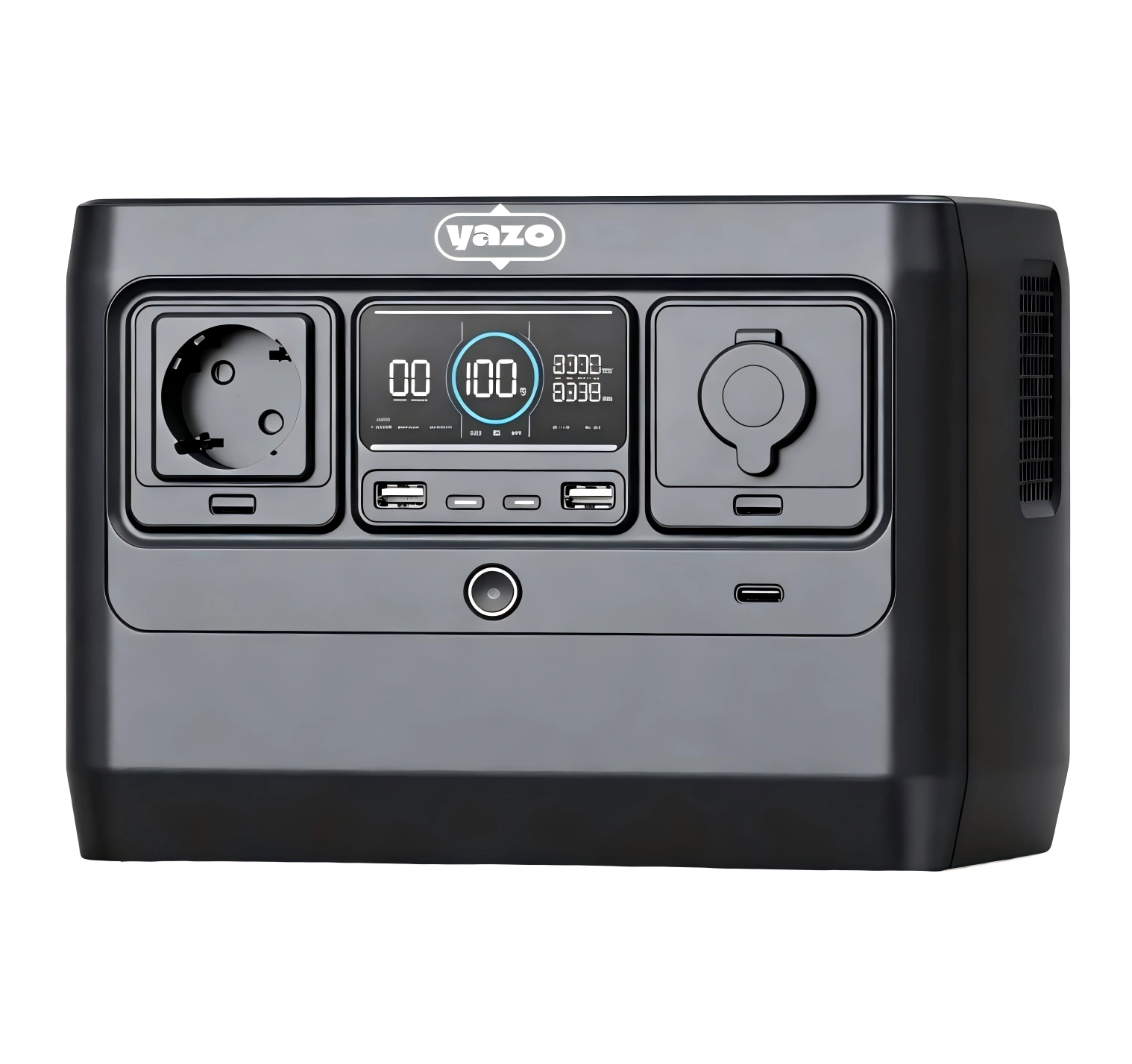
PPY-P700L
For POS terminals, routers, card readers, charging equipment, compact displays and short-duration retail sessions where portability is the priority.
View Compact Power Stations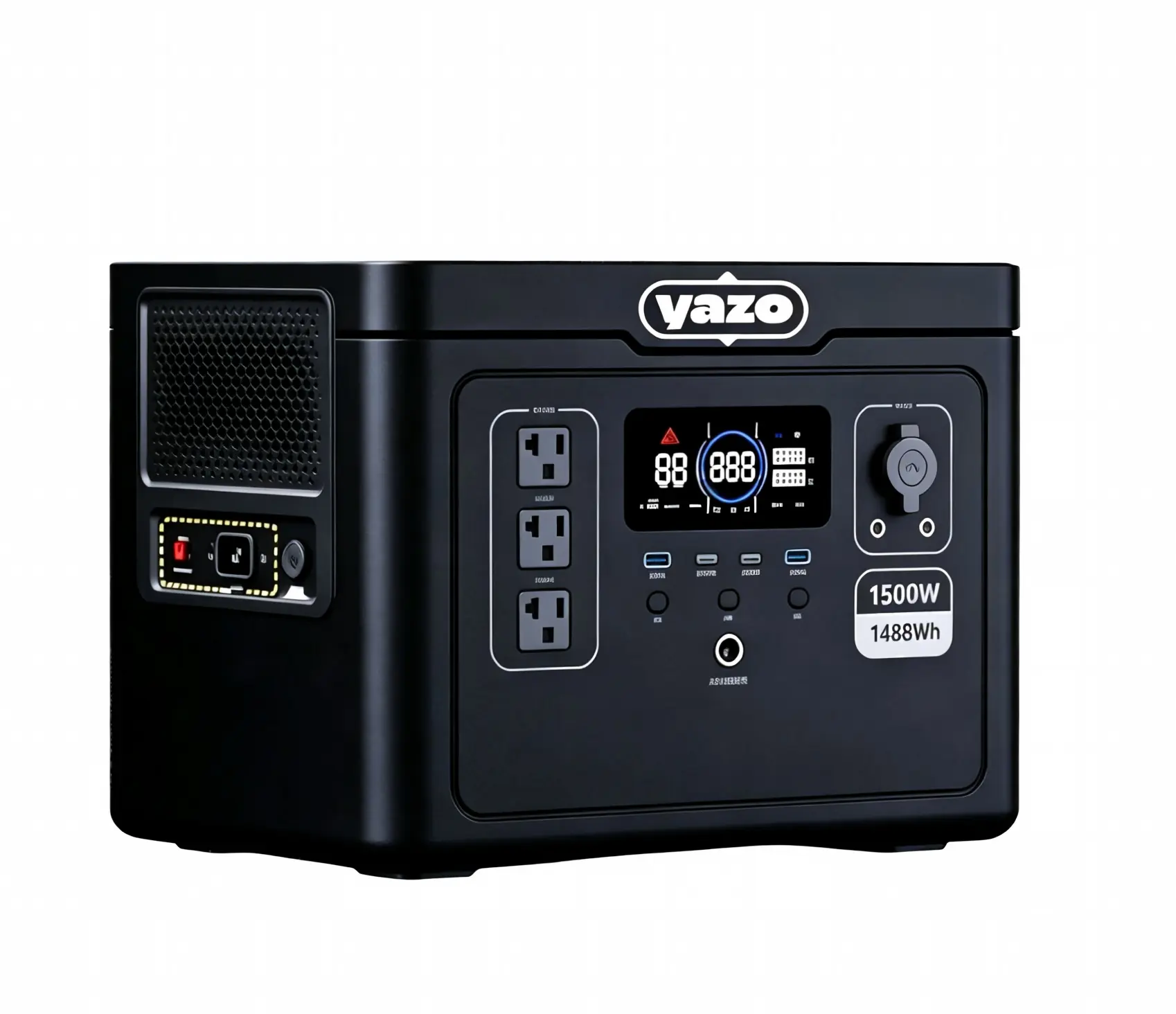
Y015
For POS, lighting, networking, displays and selected compact refrigeration where a longer service window is needed.
View Y015 Class
Y024 Lite
For longer mobile retail sessions, digital displays, charging-heavy workflows and business electronics where stored energy is more important than a heavy-duty industrial platform.
View High-Capacity Portable Power Stations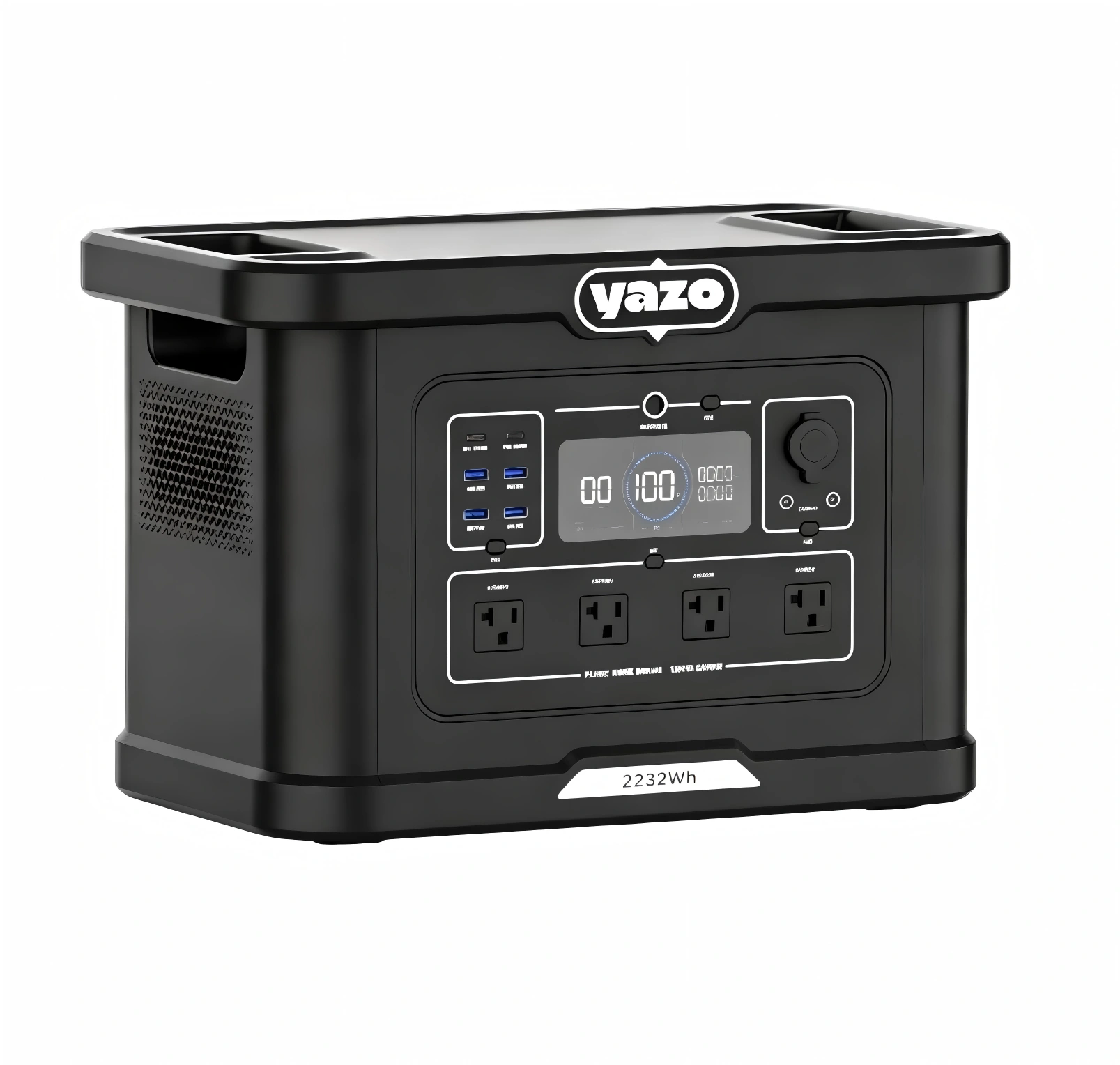 Y024
Y024
For broader auxiliary loads including refrigeration, POS, lighting and networking where a higher AC output class is required.
View Y024 ClassKeep Cooking and Heating Loads Separate from Auxiliary Power
Food-truck auxiliary power is not the same as powering the complete kitchen. Resistive heating and high-power cooking appliances can change the required output and energy capacity dramatically.
- Deep fryers, grills, induction cooktops and commercial ovens
- Large water boilers and espresso boilers
- HVAC and high-power ventilation equipment

Plan Recharge Around the Business Schedule
Before Opening
Start the selling period with the battery at the planned charge level.
Between Sessions
Use venue changes, service breaks or closed periods for AC recharge where available.
Overnight
Multi-day operations can be planned around overnight charging between service days.
Solar Top-Up
Compatible solar panels can supplement daytime energy where input limits and weather allow.
Use Solar as Supplemental Energy for Outdoor Selling
Portable solar can add flexibility for outdoor markets, pop-up stalls and remote vending locations, but it should not be treated as a guaranteed full-day energy source.
| Panel | Rated Output | Open-Circuit Voltage | Working Voltage | Max Working Current | Protection |
|---|---|---|---|---|---|
| 240W Foldable Monocrystalline Panel | 240W | 24.6V | 20.5V | 11.7A | IP65 |
| 100W Foldable Monocrystalline Panel | 100W | 24.6V | 20.5V | 4.88A | IP65 |
Outdoor Retail Conditions
Protect Equipment in Outdoor Retail Environments
Where outdoor exposure is expected, select equipment appropriate for the deployment and protect all connectors, cables and ventilation paths.
- Avoid immersion and prolonged heavy-rain exposure.
- Maintain ventilation around the power station.
- Keep plugs and cable connections protected.
- Follow the operating limits of the selected model.
Confirm Voltage, Frequency and Socket Requirements
Destination Market
Confirm AC voltage, frequency and socket type before finalizing the configuration.
Connected Equipment
Check refrigeration, POS, displays and other appliances against the selected electrical version.
Commercial Standardization
Builders and distributors can standardize one regional version for repeatable vehicle or booth packages.
Avoid Common Mobile Retail Power Planning Errors
Sizing from POS Alone
Include lighting, refrigeration, displays and networking in the total business load.
Ignoring Compressor Startup
Refrigeration may need higher short-duration power when the compressor starts.
Mixing Auxiliary and Cooking Loads
High-power cooking and heating equipment should be calculated separately.
Assuming Solar Covers the Day
Solar output changes with weather, shading, panel angle and available daylight.
Power Packages for Builders, Operators and Distributors
Food Truck Builders
Standardize auxiliary power around refrigeration, business electronics, service hours and the electrical version required by the vehicle.
Mobile Retail Operators
Match portability, POS continuity, display loads, refrigeration and recharge windows to the actual selling workflow.
Fleet & Distributor Buyers
Build repeatable packages across several capacity levels, regional versions, solar accessories, branding and packaging.
OEM Mobile Retail & Food Truck Power Kits
We can review auxiliary-power projects for food truck builders, mobile retail operators, distributors and private-label programs.
Power Hardware
Power-station class, portable solar panels, charging cables and selected accessories.
Regional Configuration
Voltage, frequency and socket direction according to destination market and connected equipment.
Commercial Customization
Branding, packaging, manuals and project documentation for distributor or private-label programs.
Mobile Retail & Food Truck Power FAQ
Get a Mobile Retail Power Recommendation
Provide your equipment list, running load, refrigeration details, service hours and recharge conditions. We can review the application and recommend a suitable power-station and battery configuration.
Please include
- Business type
- Startup / peak watts
- Equipment list
- Refrigeration equipment
- Running watts
- Recharge availability
- Service hours
- Voltage / frequency
- Destination country
- Expansion battery requirement
- Quantity
- OEM / branding / packaging