


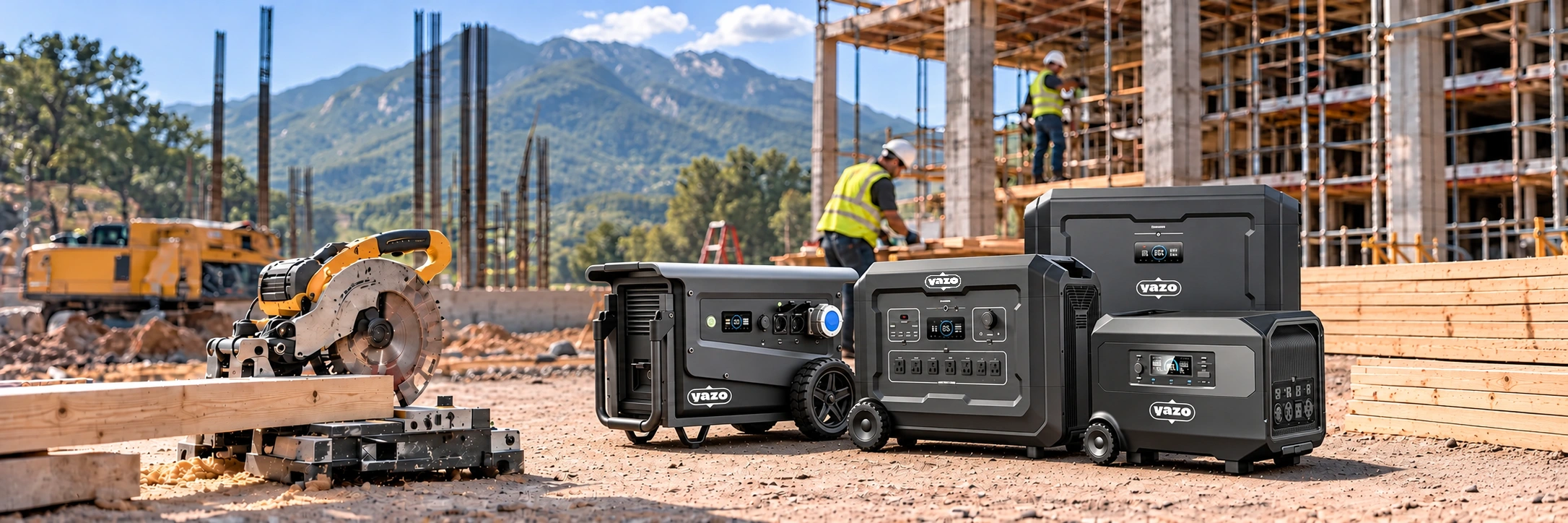
Portable Power Solutions for Business Applications
Source portable power stations for backup systems, remote worksites, mobile operations, rental fleets and distribution. Compare solutions by connected load, required runtime, charging access and destination-market requirements.
How to Choose the Right Portable Power Solution
Evaluate equipment loads, runtime, charging access and procurement requirements before shortlisting models.
Equipment Loads
List the equipment and its rated power consumption.
Output Requirements
Check simultaneous running loads and startup demand.
Required Runtime
Define operating hours between charging opportunities.
Operating Environment
Assess transport, placement and site conditions.
Charging Options
Confirm available AC, vehicle and solar charging.
Procurement Scope
Specify order quantity, target market and OEM needs.
Find the Right Application for Your Project
Compare key buying requirements across four application groups for project procurement and bulk sourcing.
| Application Group | Key Buying Considerations | Explore |
|---|---|---|
| Backup & Continuity | Running and startup power, backup duration and transfer requirements. | Backup applications → |
| Outdoor & Remote | Portability, daily energy demand and charging access. | Outdoor applications → |
| Mobile & Production | Output interfaces, equipment loads and operating schedules. | Mobile applications → |
| Fleet & Distribution | Product mix, accessory compatibility, market versions and order volume. | Fleet & channel solutions → |
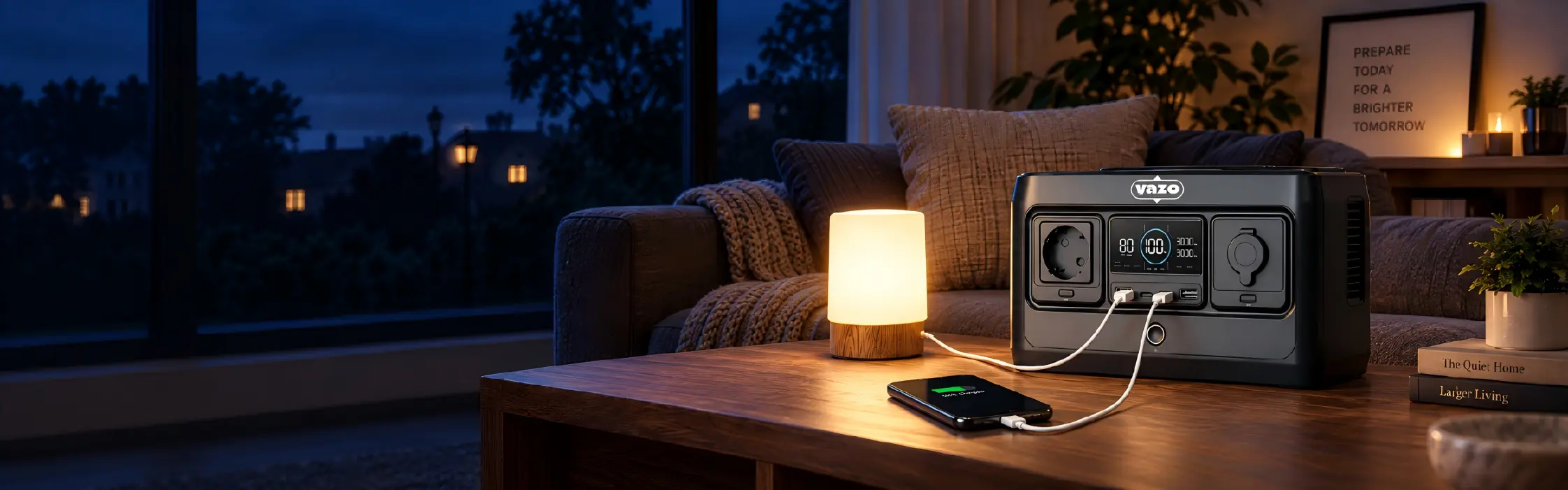
Backup Power for Essential Operations
Match critical loads, startup demand and backup duration to the right power station.
Home Outage Backup
Refrigeration, lighting and household essentials.
Explore Home Backup →Office & Small Business Backup
Computers, POS and business-critical equipment.
Explore Office Backup →Telecom & Network Backup
Network loads, voltage and transfer requirements.
Explore Network Backup →Emergency Response Power
Field lighting, communications and rapid deployment.
Explore Emergency Power →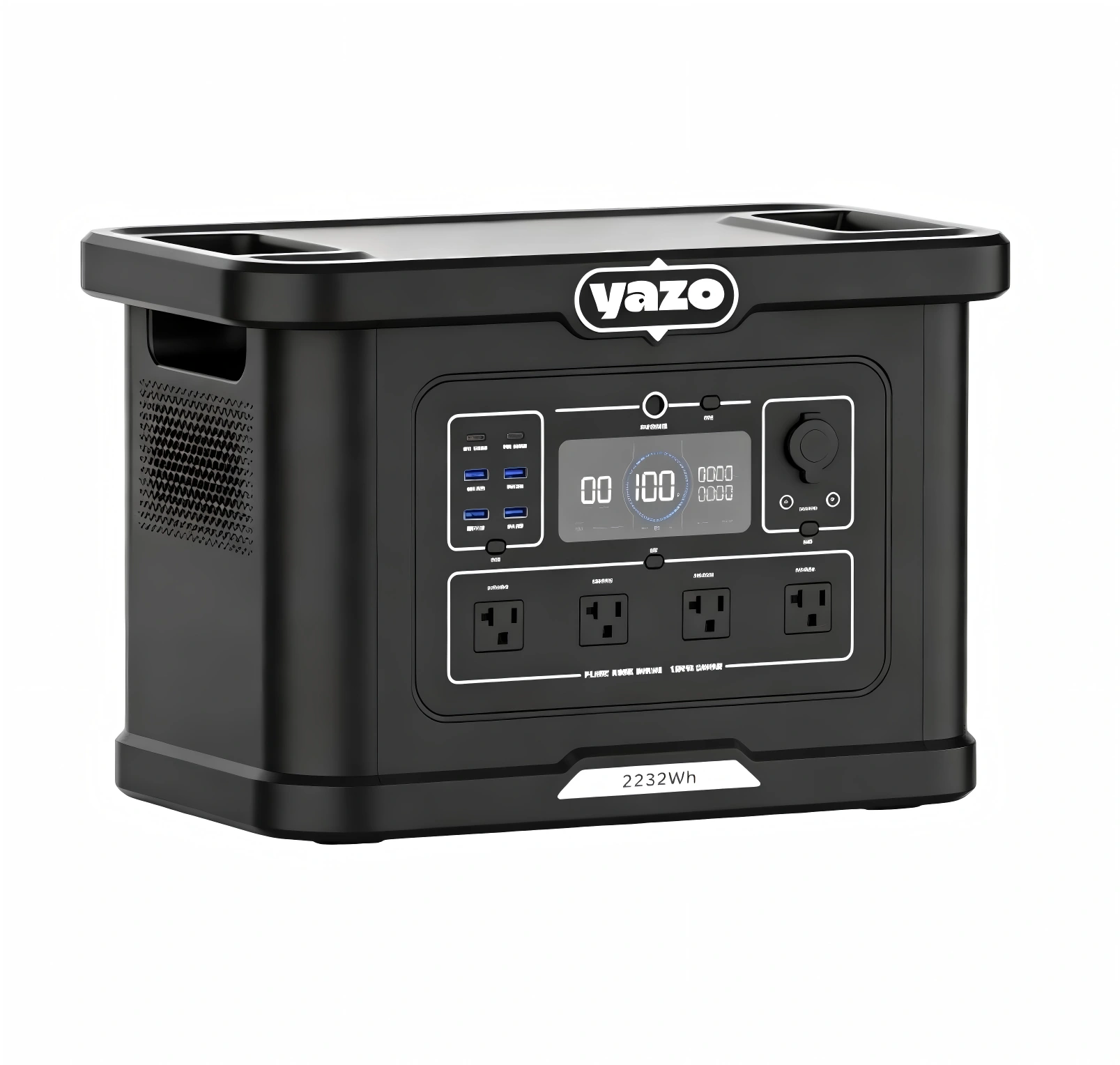
Power Beyond Fixed Grid Access
Balance portability, daily energy demand and available charging sources.
Camping & RV Power
Portable power for appliances, travel and campsite equipment.
Explore Camping & RV →Off-Grid Cabin Power
Daily energy use, solar replenishment and battery reserves.
Explore Off-Grid Cabins →Construction & Remote Worksites
Temporary power for tools, lighting and site equipment.
Explore Worksite Power →Portable Power for Mobile Commercial Operations
Match equipment interfaces and runtime to each event, service shift or production schedule.

Outdoor Events & Mobile Media
Displays, communications, lighting and event electronics.
Explore Events & Media →Mobile Retail & Food Truck Power
POS, refrigeration and auxiliary loads.
Explore Mobile Retail →Film Production & Photography Power
Cameras, monitors, lighting and charging equipment.
Explore Film & Photography →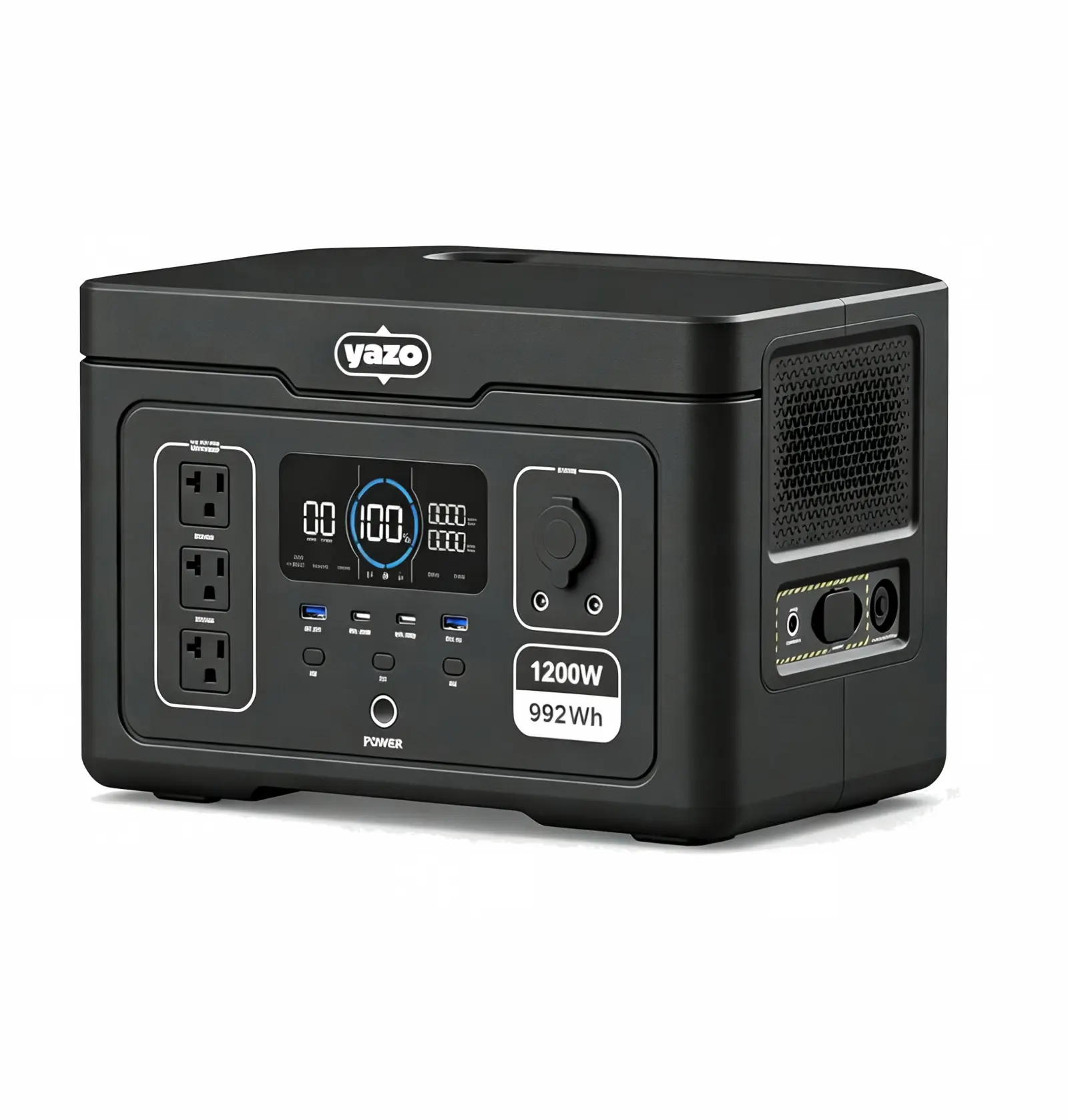
Power for Rental Fleets and Distribution Channels
Standardize fleet configurations and wholesale product ranges for repeat orders.
Portable Power Rental Fleets
Model consistency, charging turnaround and accessory compatibility.
Explore Rental Fleet Solutions →Distributor Solar Generator Kits
Wholesale product mixes, compatible solar panels and expansion options.
Explore Distributor Solar Kits →How to Estimate Power and Battery Capacity
Evaluate AC output, battery capacity and charging options before selecting models for project or bulk orders.
AC Output
Match combined running loads and equipment startup demand to rated output and surge capability.
Battery Capacity
Estimate runtime from usable energy, load demand and system losses.
Charging Options
Review AC, vehicle and solar input limits, accessory compatibility and available charging time.
Estimate Equipment Energy Demand
Multiply each continuous load's power by its operating time, then combine the energy requirements.
Example Load Energy
200 W × 5 h = 1,000 WhTheoretical energy demand
Allow for conversion losses, standby consumption, temperature and load variation when estimating actual runtime. A nominal 1,000Wh battery does not guarantee five hours of AC runtime at 200W.
Match the Application to the Right Power Station Range
Compare output, battery capacity and charging options across product ranges before bulk sourcing.
Camping Power Stations
Portable power for camping, RV and selected mobile loads.
View Camping Range →Home Backup Power Stations
Higher-capacity systems for essential household loads and extended outages.
View Backup Range →Industrial Power Stations
Higher-output options for worksites and field equipment. Check model-specific environmental ratings.
View Industrial Range →Power & Charging Accessories
Compatible expansion batteries and solar panels for additional energy storage and recharging.
View Accessories →Configure Your Portable Power Solution for Your Market
Confirm regional electrical specifications, system compatibility and OEM requirements before finalizing bulk orders.
Voltage, Frequency & Socket
Confirm destination-market voltage, frequency and socket or plug standards.
AC, Vehicle & Solar Charging
Verify model-specific charging inputs, PV voltage, current, power limits and connectors.
Expansion & Runtime
Confirm compatible batteries, supported pack limits and required energy reserve.
OEM & Distributor Requirements
Specify branding, packaging, manual languages and accessory configurations.
Frequently Asked Questions About Portable Power Solutions
Check common technical and purchasing questions before confirming the model, accessories and regional configuration for your project.
How do I choose the right portable power solution for my application?
Start with the connected equipment list. Confirm simultaneous running power, possible startup demand, required operating time, working environment and available charging methods. Then compare application-specific product options and destination-market versions.
What is the difference between watts and watt-hours when selecting a power station?
Watts (W) describe the power needed or supplied at a given time, while watt-hours (Wh) describe stored or consumed energy over time. Both matter: the unit must support the electrical load and carry enough usable energy for the required operating period.
Can I combine a portable power station with solar panels or expansion batteries?
Selected models support solar charging, expansion batteries or both. Before ordering, confirm the power station model, PV voltage and current limits, connector or adapter path, supported expansion battery and the exact configuration.
What electrical details should I check for different destination markets?
Confirm the destination country, equipment voltage and frequency, socket and plug standard, required certificates or documentation and any specific product configuration. Do not assume the same regional version is appropriate for every market.
What information do you need for a B2B power solution quotation?
Please provide the application, equipment and running watts, startup demand where applicable, required runtime, charging sources, environment, destination country, estimated quantity and OEM or packaging requirements. Our team can review suitable YAZO product options and compatible accessories for quotation.
Request a Portable Power Solution Quote
Share your project requirements for model recommendations, bulk pricing and OEM/ODM options.
Project Details:
- Application & Equipment
- Running & Startup Watts
- Required Runtime
- Charging Sources
- Operating Environment
- Destination Market
- Order Quantity
- OEM/ODM Requirements