

Portable Solar Generator Kits for Distributors
Distributor-ready solar generator kits built around power capacity, solar input, expansion options and regional requirements for wholesale, retail and private-label channels.
Build Solar Generator Kits Around the Sales Channel
Distributor solar generator kits should be designed as sellable SKUs, not just as a power station placed beside a solar panel.
- Retail and e-commerce need clear, repeatable configurations.
- Wholesale channels benefit from several price and capacity tiers.
- Private-label projects may require coordinated branding, packaging and regional electrical versions.
- B2B distributors may need configurable bundles instead of one fixed kit.
Channel Planning
What Belongs in a Distributor Solar Generator Kit?
Keep each distributor bundle easy to understand: one power station, a compatible solar panel, the required charging path and optional expansion where the platform supports it.
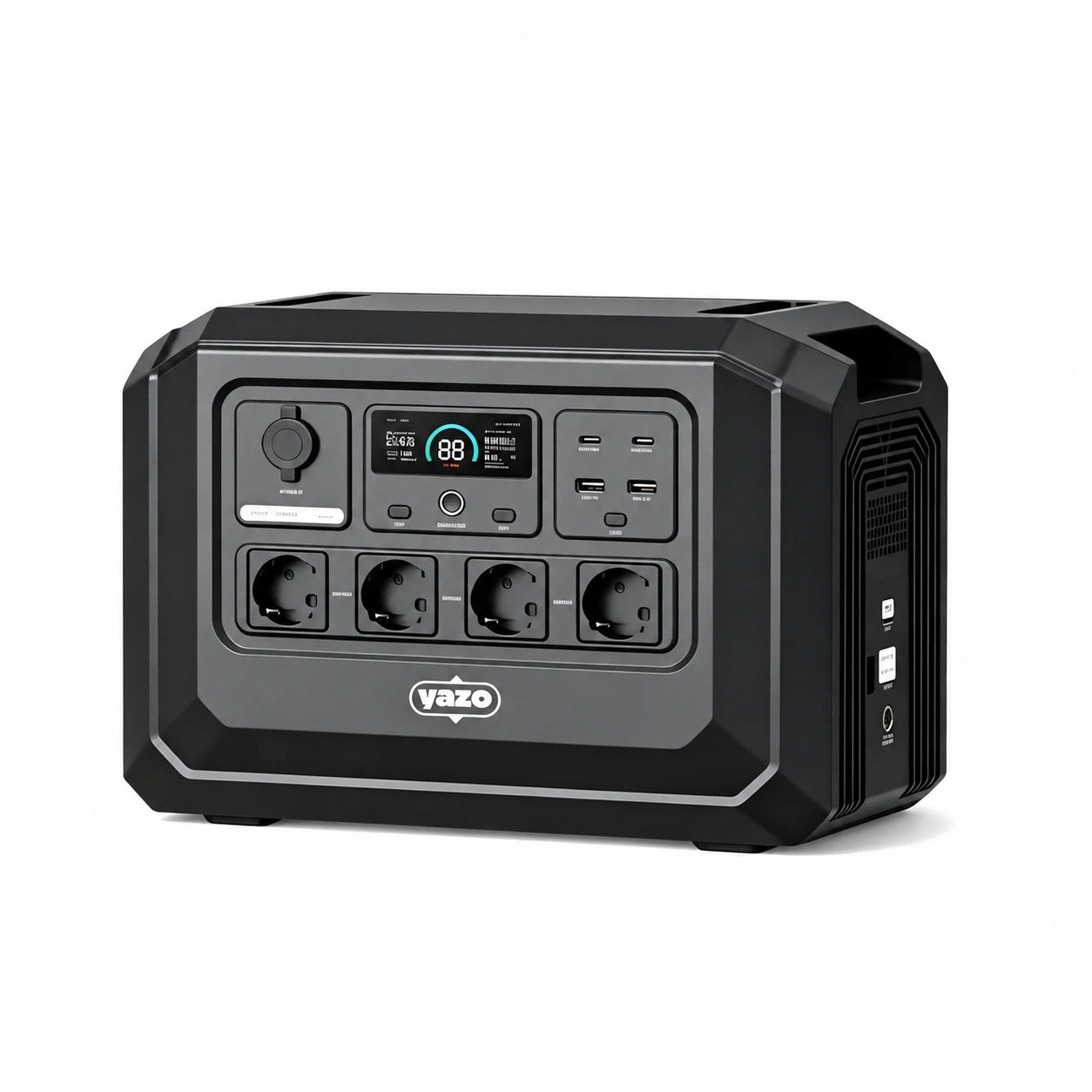
Power Station
Defines battery capacity, AC output, charging methods and the main price position of the kit.
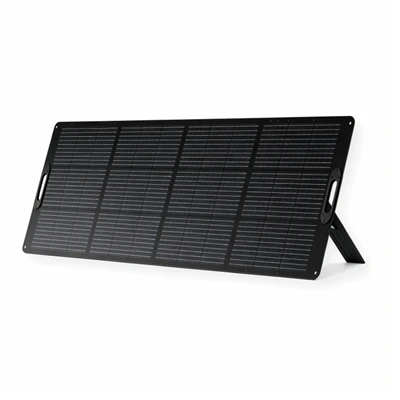
Solar Panel
100W and 240W panel directions can support different kit tiers when they match the selected power station input.
Charging Accessories
Include the correct solar and charging connection path for the selected combination.

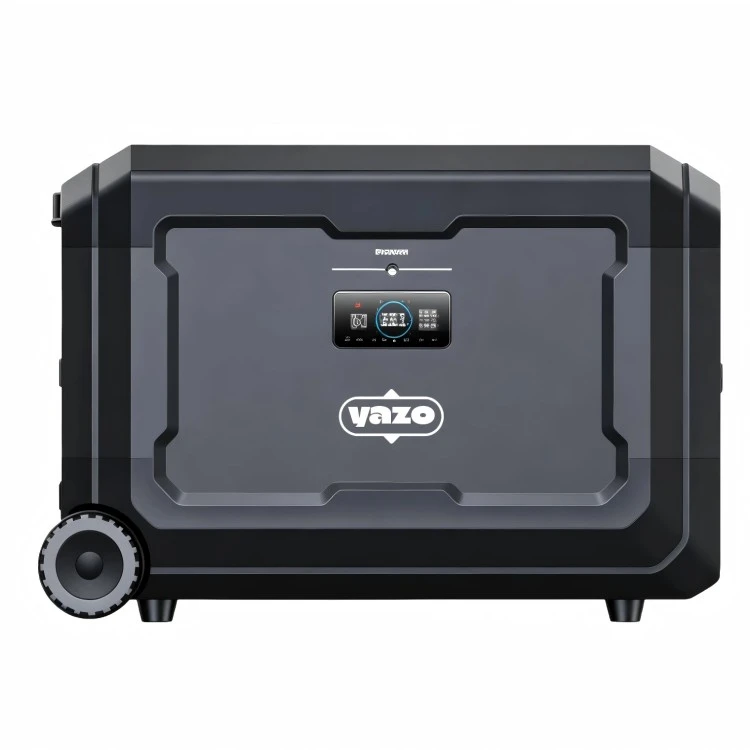
Optional Expansion
Add compatible batteries only where the selected platform supports them and the market needs longer runtime.
Compare 100W and 240W Panel Directions
| Consideration | 100W Panel Direction | 240W Panel Direction |
|---|---|---|
| Kit positioning | Entry / compact | Mainstream / premium |
| Portability | More compact | Larger format |
| Rated output | 100W | 240W |
| Storage footprint | Smaller | Larger |
| Charging potential | Lower | Higher |
| Final compatibility | Model-specific | Model-specific |
Actual solar charging depends on sunlight, panel orientation, temperature, shading and the selected power station's input limit.
Solar Compatibility Check
Match the Solar Panel to the Power Station Input
Panel wattage alone does not determine compatibility. Confirm the electrical input requirements and connection method of the selected power station before fixing the bundle.
Distributor Solar Generator Kit Options
Use a small number of clearly separated capacity tiers so distributors can quote, list and stock the range more easily.
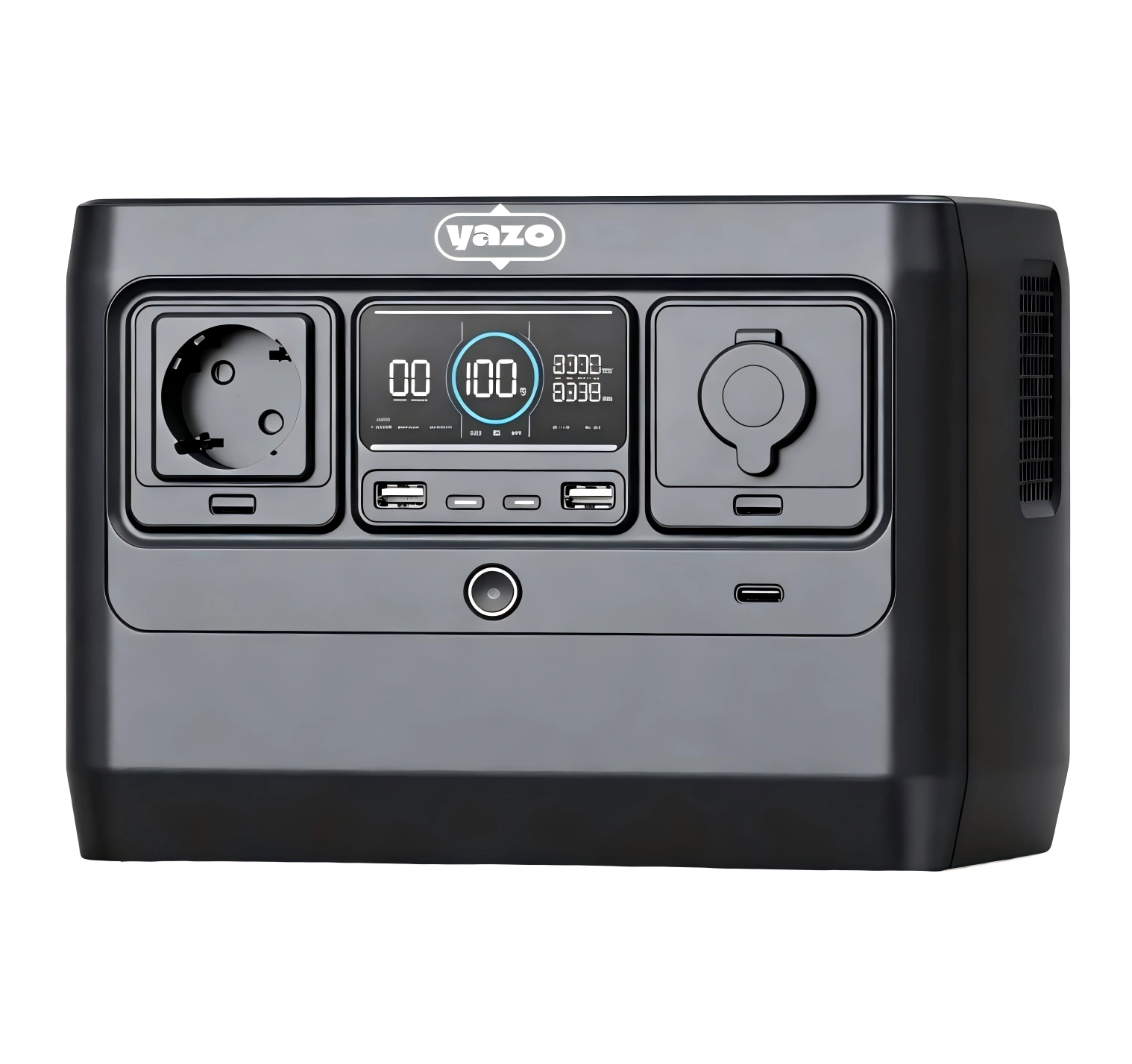
PPY-P700L
576Wh · 700W
For entry-level online listings, compact outdoor use and price-sensitive retail channels where portability is more important than maximum capacity.
Panel direction: 100W class, subject to model input confirmation.
View Compact Power Stations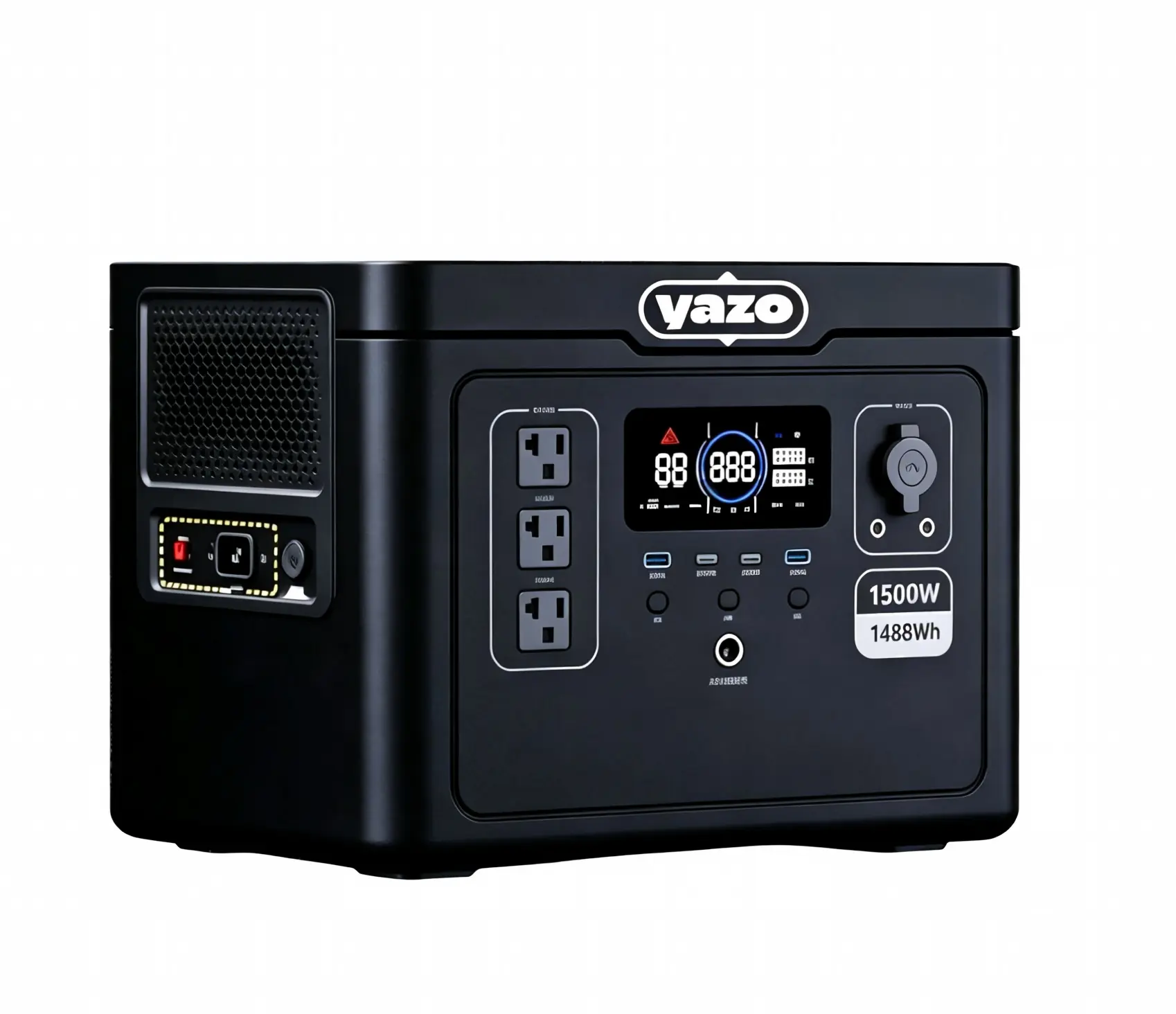
Y015
1488Wh · 1500W
For mainstream distributor ranges that need a meaningful step up in energy capacity while remaining suitable for portable retail and outdoor channels.
Panel direction: 100W or 240W class, subject to model input confirmation.
View Mainstream Power Stations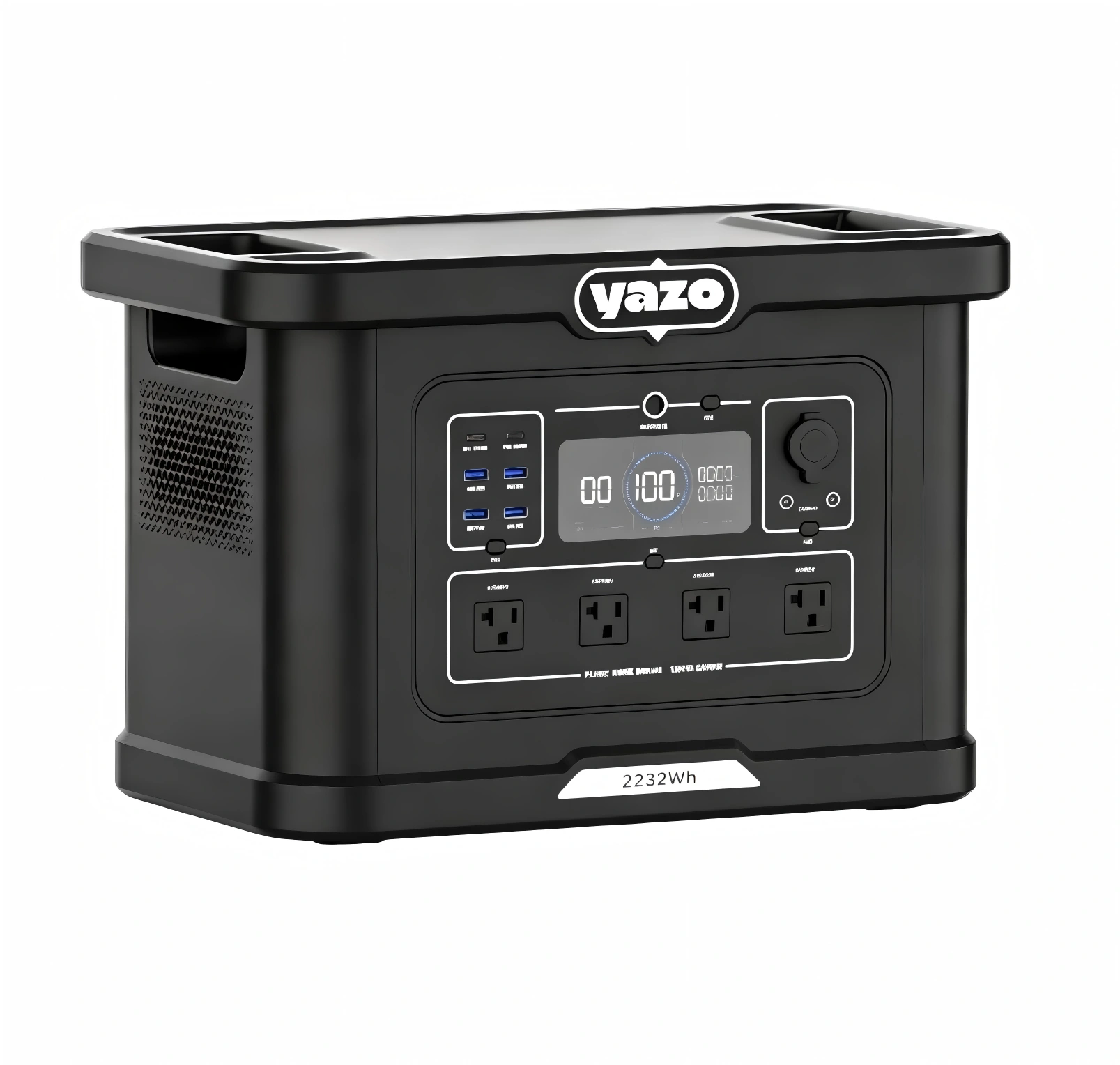
Y024
2232Wh · 2400W · Up to 800W Solar Input
For premium retail, dealer and B2B channels requiring higher AC output, larger energy capacity and stronger solar-input headroom.
Panel direction: 240W class or supported multi-panel setup within input limits.
View High-Capacity Power Stations
Y3
3072Wh · 3600W · Expandable
For professional distributors and project buyers who need higher capacity, model-specific battery expansion and configurable bundle options.
Panel direction: 240W or supported solar setup, confirmed against the selected input configuration.
View Expandable Power StationsChoose Fixed Kit SKUs or Configurable Bundle Systems
Distributors do not always need the same level of flexibility. Use fixed SKUs where repeatability matters and configurable bundles where channel or regional requirements vary.
- Fixed kits: useful for e-commerce, retail catalogues and promotional campaigns.
- Configurable bundles: useful for B2B distributors, multi-market sales and private-label projects.
- Keep the number of kit tiers manageable so inventory and sales training stay clear.
SKU Strategy
Add Expansion Batteries Only Where They Improve the Bundle
Longer Runtime
Increase stored energy for selected systems where the buyer needs more operating time.
Premium Bundle Value
Create higher-value professional configurations without adding unnecessary extra main-unit SKUs.
Project Configuration
Use model-specific expansion for B2B or off-grid projects where the selected platform supports it.
Configure Kits for Regional Distribution
Destination Country
Define the intended sales region before selecting the electrical version.

Voltage & Frequency
Match the power station to the electrical standard of the target market.

Plug & Socket
Configure the required regional connection direction.
Manuals & Packaging
Coordinate regional product information, documentation and package requirements.
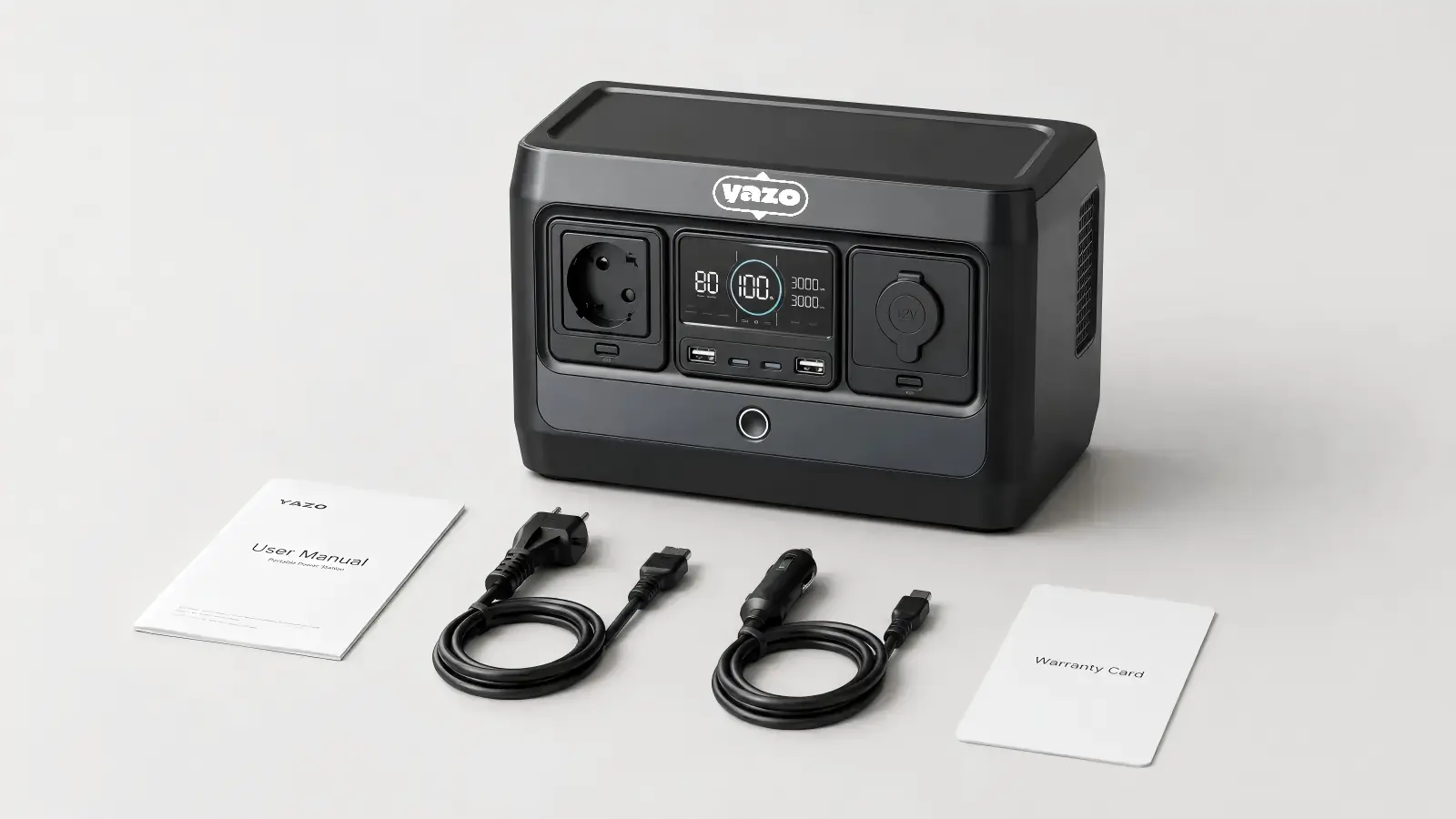
Distribution Package Control

Prepare Kits for Retail, Warehouse and Distributor Handling
Good bundle design continues after product selection. Keep each kit easy to quote, list, pack, store and replenish.
- Use clear kit names and component lists.
- Keep regional electrical versions separated.
- Organize power-station, panel and accessory packaging consistently.
- Review private-label packaging and documentation where required.
Plan Wholesale and Private-Label Solar Generator Programs
Channel & Market
Define the target distributor type, selling region and application direction.
Kit Structure
Confirm power class, panel direction, expansion needs and the number of SKU tiers.
Commercial Configuration
Confirm quantity, branding, packaging, manuals and regional electrical requirements.
Keep the Distributor Kit Matrix Simple
| Tier | Power Position | Solar Direction | Expansion | Channel Role |
|---|---|---|---|---|
| Entry | Compact | 100W class | Model-specific | E-commerce / retail |
| Mainstream | Medium | 100W or 240W | Where supported | Core distributor SKU |
| Premium | Higher capacity | 240W / supported setup | Selected models | Dealer / premium retail |
| Professional | Expandable | Supported solar setup | Compatible systems | B2B / project channel |
A clear matrix simplifies quotation, sales training, product listings and warehouse management.
Avoid Common Distributor Kit Planning Errors
Choosing by Wattage Alone
Panel wattage does not replace voltage, current, maximum-input and connector checks.
Too Many Similar SKUs
Overlapping bundles make inventory, retail positioning and sales training harder.
Ignoring Regional Versions
Voltage and socket differences should be planned before the order is finalized.
Overselling Solar Recharge
Actual solar performance depends on sunlight, shading, panel angle, temperature and system limits.
Solar Generator Kits for Different B2B Channels
Power Station Distributors
Build a manageable set of solar generator bundle systems across several price and capacity positions.
Solar Equipment Wholesalers
Add portable power stations with clearly defined solar-panel and input compatibility.
Outdoor & RV Retail
Create portable kit structures around mobility, charging flexibility and outdoor sales channels.
Private-Label Buyers
Develop branded kits with reviewed product combinations, packaging and regional requirements.
Portable Solar Generator Kit FAQ
Get a Solar Generator Kit Recommendation
Tell us your target market, preferred power capacity, solar panel requirement, quantity and customization needs. We can review the project and recommend a suitable distributor kit structure.
Please Include
- Target market
- Distributor / wholesale channel
- Preferred power capacity
- Required AC output
- Solar panel preference
- Estimated quantity
- Destination country
- Voltage / plug version
- Expansion battery needs
- Branding / private label
- Packaging requirements
- Target application