


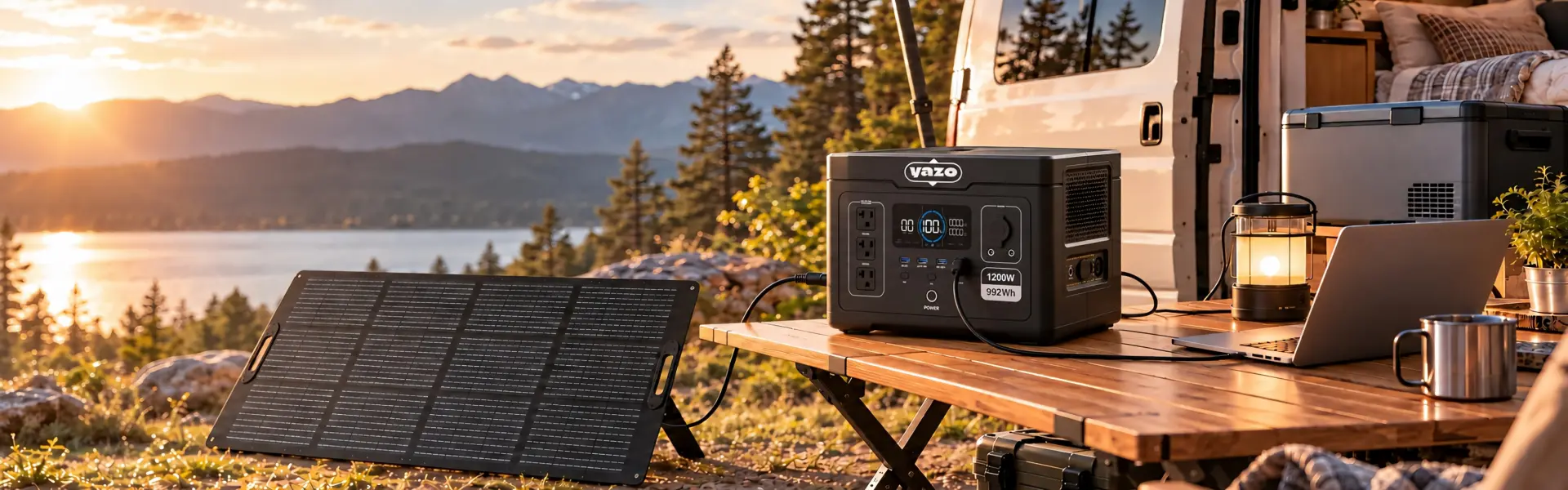
Portable Power Stations for Camping & RV Applications
Choose portable power around your connected loads, runtime target, charging access and destination market. YAZO offers 288Wh–2232Wh options for camping, camper vans and RV power programs.
Start With the Loads You Need to Power
The right camping or RV power station starts with the equipment list-not the battery capacity printed on the product. Define the continuous load, startup demand, runtime and charging plan before choosing a model.
List every appliance and device that may be connected.
Add the loads that operate at the same time.
Check short-duration demand for motors and compressors.
Define required operating hours between charging opportunities.
Plan AC, vehicle and solar charging around the trip.
Separate Output Power From Battery Capacity
Power and energy answer different purchasing questions. Check both before selecting a camping or RV power platform.
Can the power station run it?
Rated output determines the continuous AC load the unit can support. Startup or surge demand should be reviewed separately where applicable.
How much stored energy is available?
Battery capacity determines available energy for the required operating period. Runtime varies with the real load and operating conditions.
Actual runtime varies with load behaviour, conversion losses, standby consumption, temperature and battery condition. Use the real load list for quotation and system planning.
Compare the Camping Power Station Range
Use the matrix to narrow the power class first, then review the dedicated product page for the exact market version, charging inputs, interfaces and commercial configuration.
| Model | Capacity | Rated Output | Boost / Peak | Solar Input | Recommended Direction |
|---|---|---|---|---|---|
| PPY-P350L | 288Wh | 350W | 600W surge | Up to 240W | Compact mobile loads |
| Y03 Pro | 512Wh | 600W | 1200W peak | Up to 240W | Lightweight camping systems |
| PPY-P700L | 576Wh | 700W | 1200W surge | Up to 240W | Higher-output compact use |
| Y012 | 992Wh | 1200W | 1500W enhanced / 3600W peak | Up to 240W | Balanced camping and vehicle-based use |
| Y015 | 1488Wh | 1500W | 1700W boost / 3600W peak | Up to 480W | Longer runtime and larger load lists |
| Y024 Lite | 2232Wh | 2400W | 2600W boost / 4500W surge | Up to 800W | High-capacity mobile power |
| Y024 | 2232Wh | 2400W | 2600W boost / 4500W peak | Up to 800W | Higher-demand RV and extended outdoor use |
Choose the Product Direction Before the Exact Model
A four-level range makes it easier to match buyer expectations without treating every capacity as a separate use case.
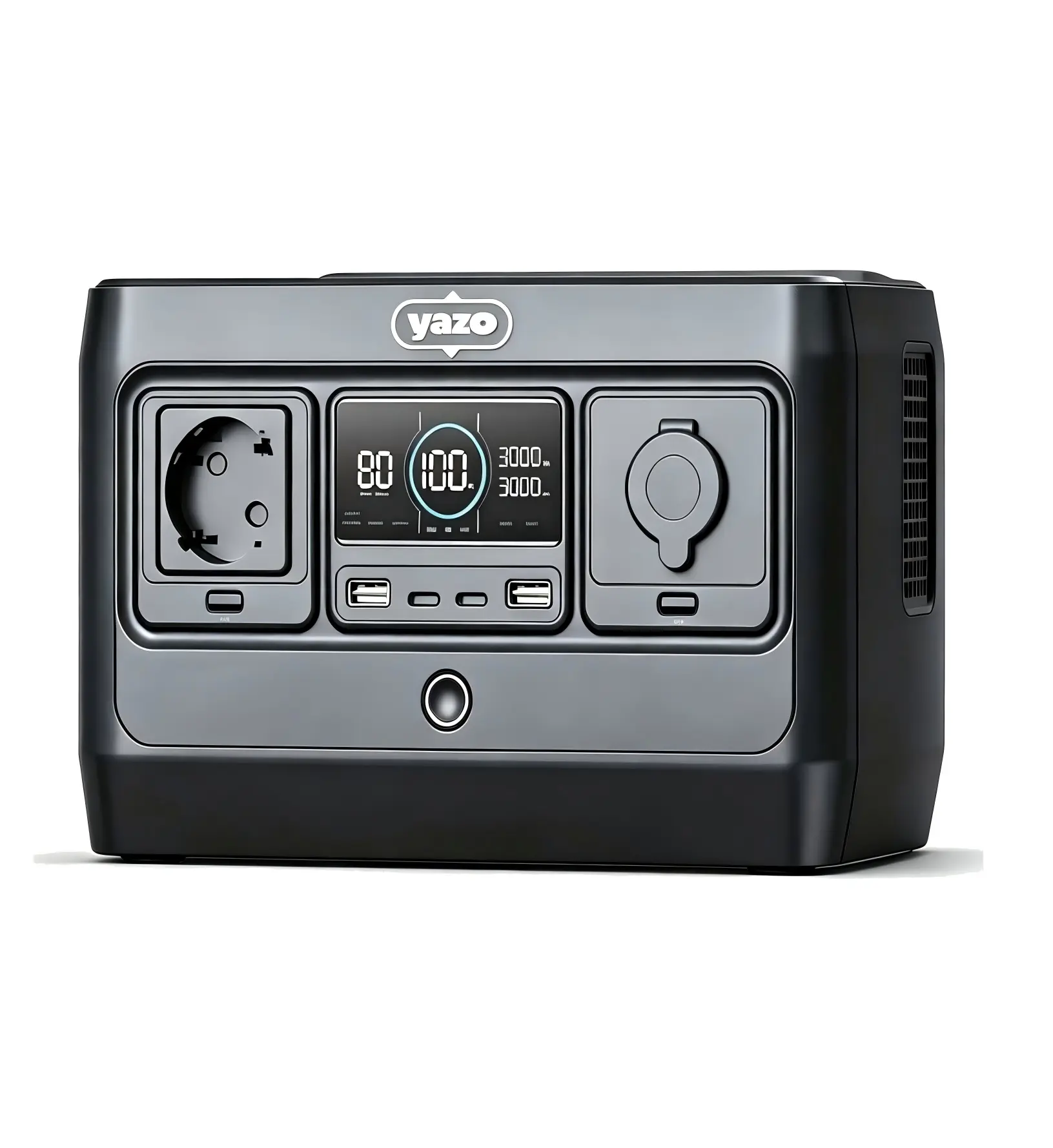
288–576Wh
For portability-first programs and defined lower-power loads.
Explore Compact Models →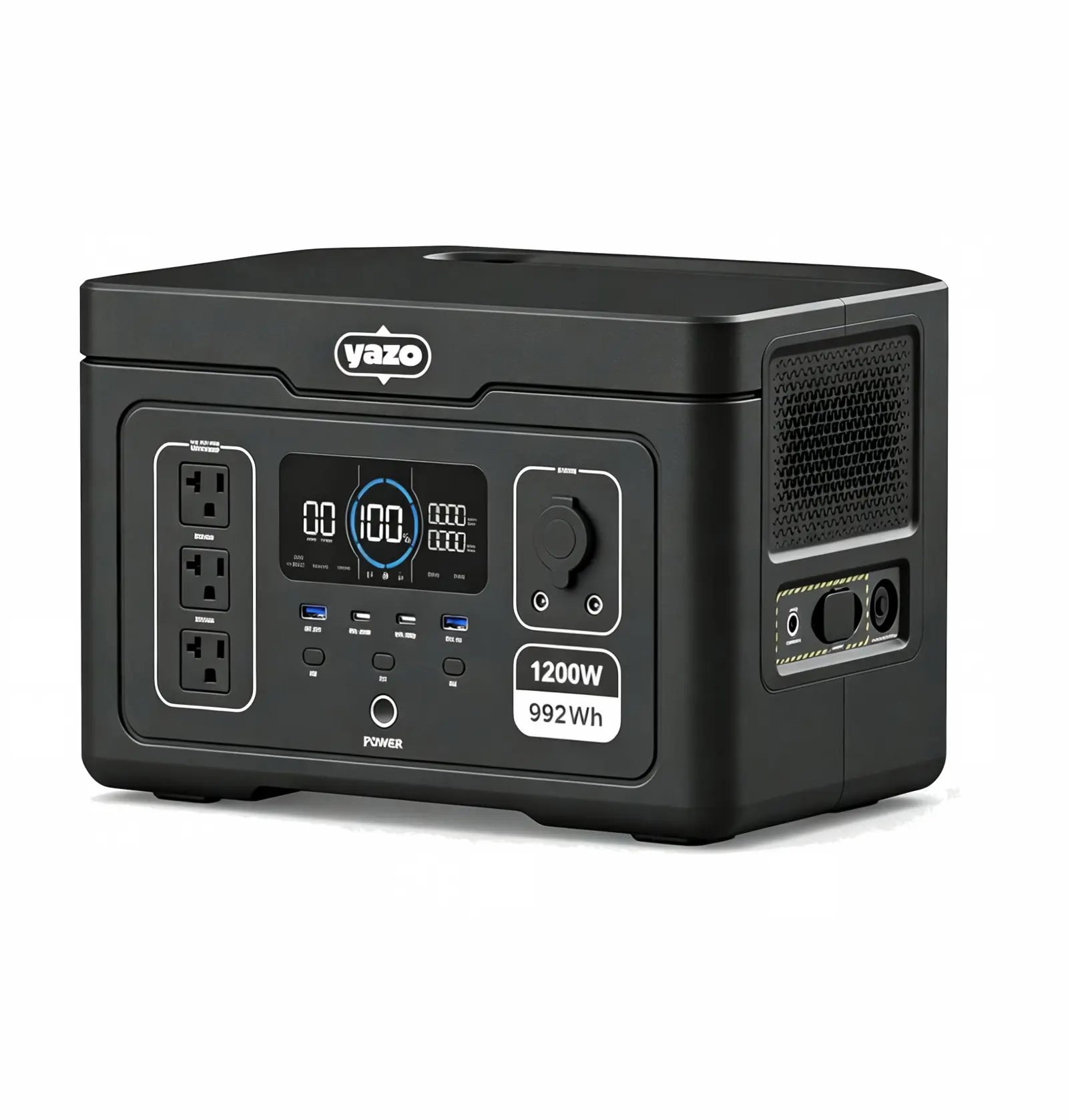
992Wh
For mixed campsite loads and vehicle-based travel without moving directly into a 2kWh-class system.
View Y012 →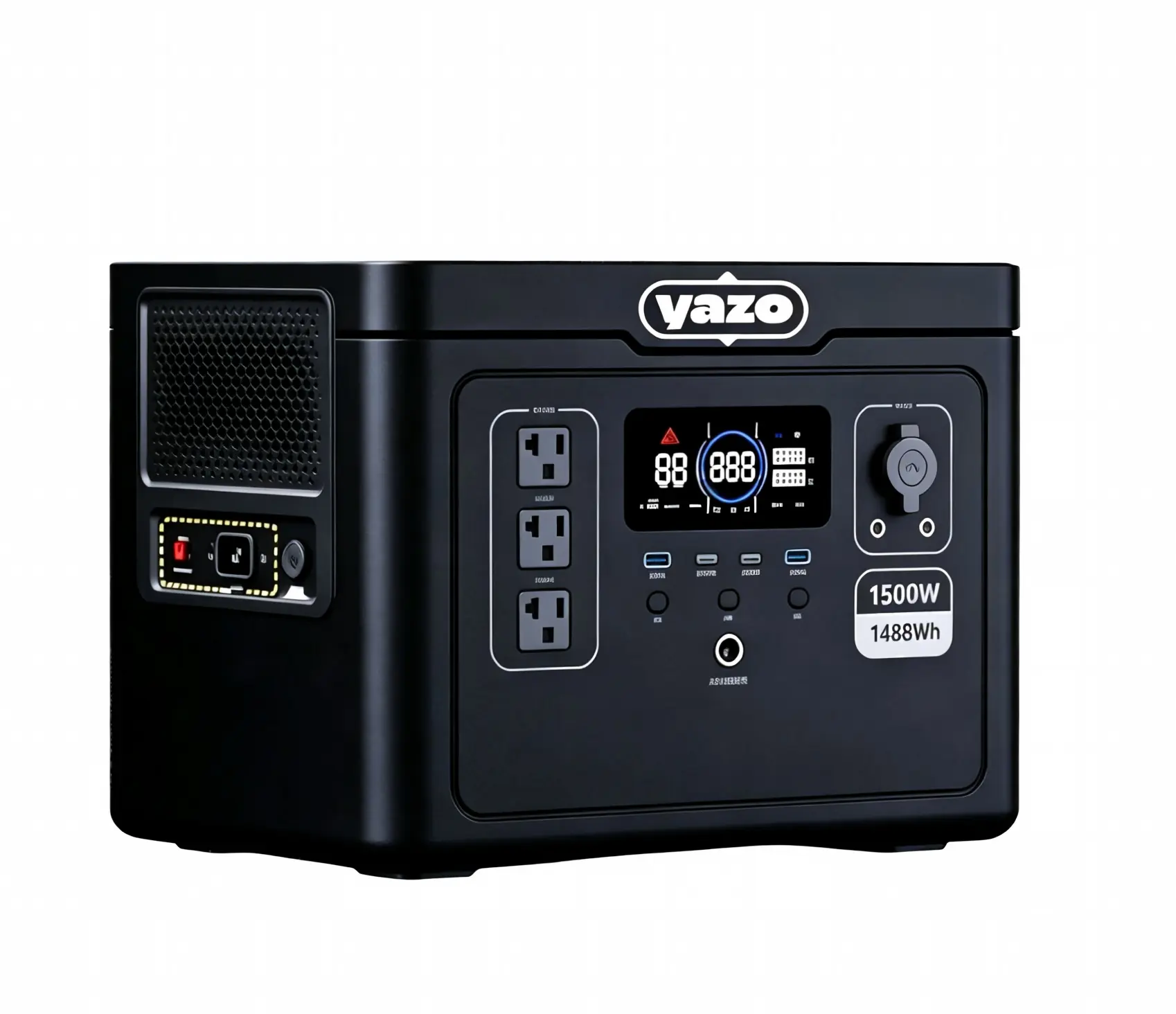
1488Wh
For larger load lists, longer operating periods and higher solar replenishment requirements.
View Y015 →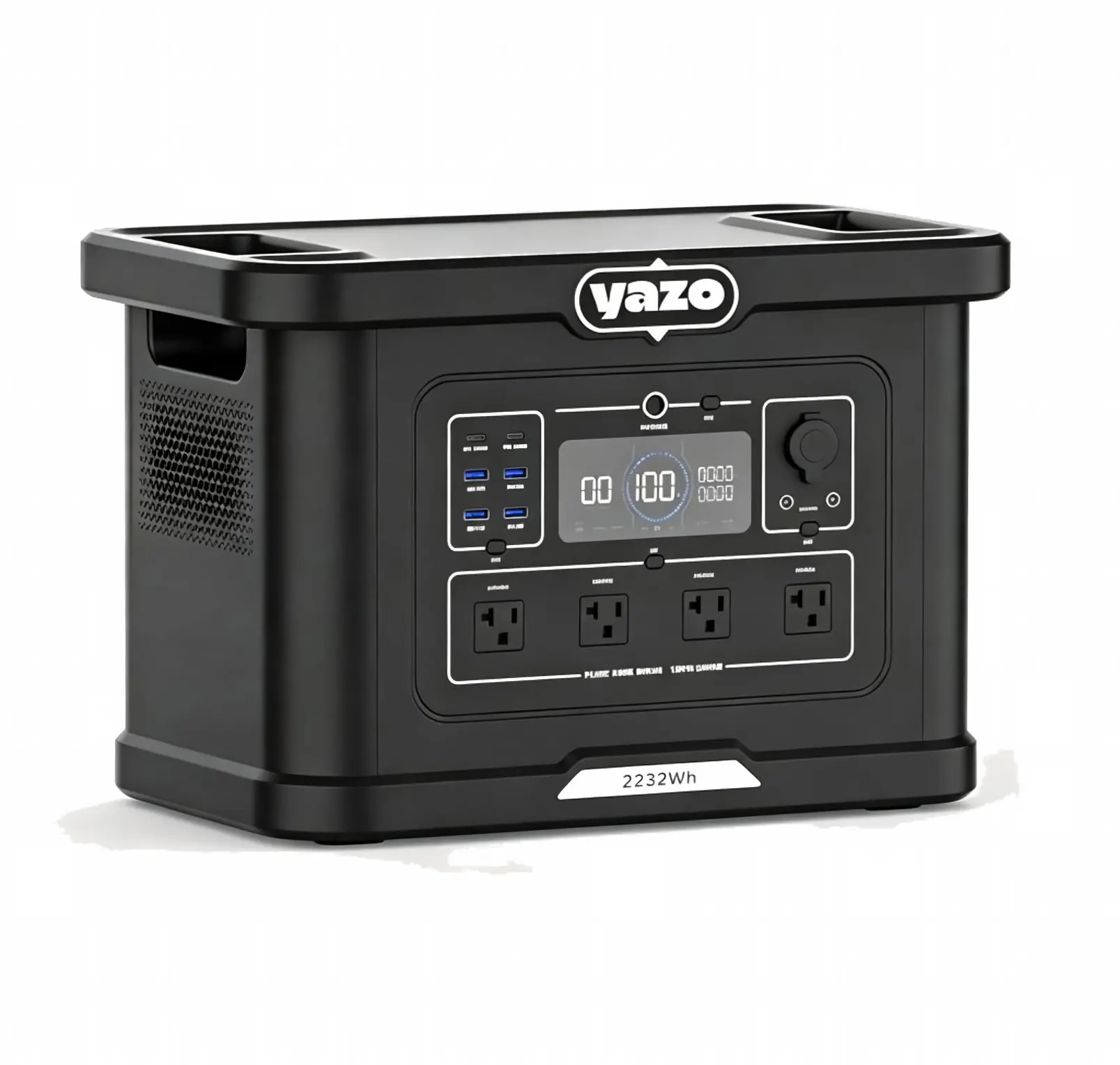
2232Wh
For higher simultaneous loads, extended outdoor use and a stronger solar charging plan.
View Y024 → PE-100W
 PE-240W
Plan Recharging-Not Just Battery Capacity
For multi-day camping and RV use, the charging plan can be as important as stored energy. Confirm when and how the system will be replenished before finalizing the power station.
Start with grid charging where mains power is available.
Confirm the selected model's input path, cable and vehicle electrical conditions.
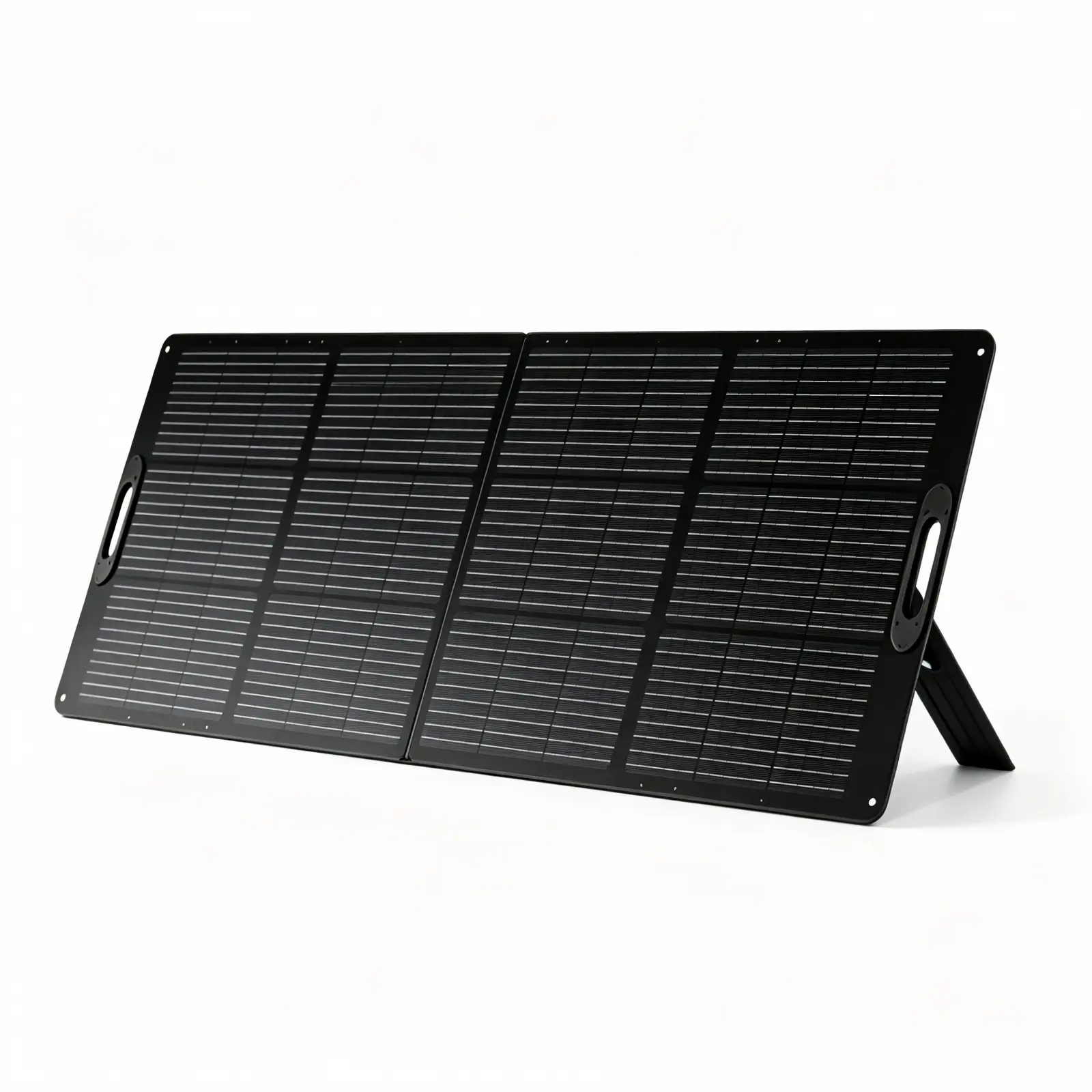
Match panel voltage, current, maximum power and connector path to the receiving power station.
Do not select a solar panel by wattage or connector appearance alone. Confirm the receiving power station's PV voltage range, current limit and connector or adapter path.
Six Checks Before Configuring RV Power
RV applications should be sized from the electrical requirement and charging environment, not from the application label alone.
Add the equipment expected to operate continuously at the same time.
Check compressors, motors and other loads with short high-startup demand.
Estimate required Wh from actual device power and operating hours.
Define how long the system must operate between reliable charging opportunities.
Match the PV input window to panel electrical values and the available solar window.
Confirm destination country, output voltage, frequency and socket standard.
Build a Camping & RV Power Range for Your Market
For distributors and outdoor brands, build the SKU range around buyer load profiles, runtime expectations and market configuration instead of capacity alone.
Confirm the Destination Market Before Bulk Ordering
A camping or RV program should be frozen against the target market before quotation and production. Provide the electrical version and commercial requirements together.
Outdoor Use Does Not Mean Every Power Station Is Waterproof
Protection ratings and environmental limits must be checked by individual model. Do not apply one weather-resistance claim to the complete camping solution.
- Keep the power station within its specified operating environment.
- Protect electrical connections from moisture and contamination.
- Maintain ventilation and do not block cooling areas.
- Confirm the model-specific temperature and protection rating where environmental exposure matters.
PE-100W and PE-240W have confirmed IP65 panel ratings. This does not make every connected power station IP65.
Power-station protectionUse the protection rating published for the exact product configuration and market version.
Frequently Asked Questions
How do I choose the right portable power station for camping?
Start with the equipment you need to operate. Confirm running wattage, startup demand, required operating time and available charging sources. Then select a power station with suitable rated output and enough battery capacity for the required energy demand.
How much battery capacity do I need for a camping trip?
Calculate capacity from the actual loads and operating time. As a basic planning method, multiply each device's wattage by its expected operating hours and add the results. The appropriate capacity also depends on when and how the power station can be recharged.
How can I estimate runtime for RV equipment?
Use the equipment's real power consumption and the power station's battery capacity as the starting point. Runtime varies with load behaviour, conversion losses, standby consumption, temperature and other operating conditions, so a universal runtime should not be assumed.
Why are rated power and surge power different?
Rated output is used for continuous load planning. Surge or peak output refers to short-duration demand. Check continuous equipment against rated output and review startup demand separately.
Can YAZO camping power stations be charged with portable solar panels?
Selected models support solar input. The panel must match the power station's solar input voltage range, current limit, maximum input power and connector or adapter path. PE-100W and PE-240W are current YAZO panel options, but compatibility should be confirmed model by model.
When should I compare Y012, Y015 and Y024?
Y012 provides 992Wh capacity and 1200W rated output, Y015 increases to 1488Wh and 1500W rated output, and Y024 provides 2232Wh and 2400W rated output. The correct choice depends on simultaneous load, required runtime, charging plan and portability requirements.
Are the same power station configurations used in every country?
No universal market configuration should be assumed. Required voltage, frequency, socket layout and charging configuration can differ by destination. Provide the destination country when requesting a model recommendation or quotation.
Are camping power stations waterproof?
Do not assume the same protection rating across all models. Confirm the exact power station's protection level where moisture, dust or other environmental exposure is relevant. PE-100W and PE-240W portable solar panels have confirmed IP65 panel ratings.
Get a Camping & RV Power Recommendation
Send your equipment list, runtime target and charging requirements. We can review the application and match the appropriate power-station direction for your market and purchasing program.